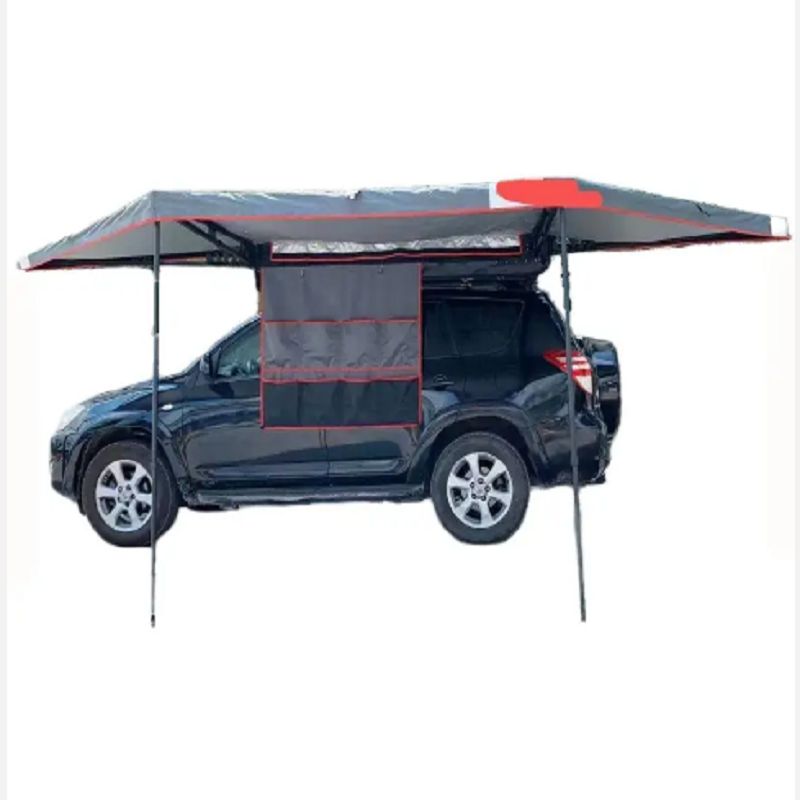
A Free Stand Awning provides versatile outdoor protection, offering shade and shelter for recreational, commercial, and residential spaces. This article explores the structural design, material selection, installation considerations, and practical applications of free stand awnings. Additionally, detailed technical specifications and answers to common questions help guide informed purchasing and usage decisions, enabling maximum comfort and utility in outdoor environments.

Free Stand Awnings are independent structures designed to provide shade and protection in outdoor environments. Unlike fixed awnings, they do not require wall mounting, offering maximum flexibility in placement. These awnings are suitable for patios, garden areas, campsites, and commercial settings such as cafes and event spaces.
The primary purpose of a free stand awning is to enhance outdoor comfort by shielding users from sun, rain, and light wind. Its portability and adjustable features make it a practical solution for temporary or permanent installations where conventional fixed awnings are not feasible.
Free Stand Awnings are constructed with durable frames and weather-resistant fabrics to ensure long-term functionality. Key components include:
The combination of lightweight yet sturdy materials allows easy relocation while maintaining stability. High-quality fabrics are often treated to resist fading, mildew, and water penetration, ensuring continued performance in various climates.
Understanding the specifications of a Free Stand Awning is essential for choosing the right model based on environmental conditions and intended use.
| Parameter | Specification |
|---|---|
| Frame Material | Aluminum Alloy / Powder-Coated Steel |
| Fabric Type | Polyester with PU Coating / Waterproof Canvas |
| Dimensions | 3m x 3m to 5m x 5m customizable |
| Weight Capacity | Up to 80 kg canopy load |
| Adjustable Angle | 0°–30° tilt |
| Weather Resistance | UV Protection, Water-Resistant, Wind Load up to 45 km/h |
| Lifespan | 5–10 years depending on usage and maintenance |
Free Stand Awnings offer versatile solutions across a range of outdoor scenarios:
These applications demonstrate the awning's adaptability, portability, and ability to enhance outdoor usability in diverse environments.
Installation of a Free Stand Awning typically requires minimal tools and can be completed by a small team. Key steps include:
Routine maintenance involves cleaning the canopy fabric, tightening loose fasteners, and ensuring that the structure is not exposed to extreme weather for prolonged periods.
Q: How portable is a Free Stand Awning?
A: Free Stand Awnings are designed for easy relocation. Lightweight frame materials and collapsible features allow transport and storage, making them suitable for temporary setups or seasonal use.
Q: Can it withstand heavy wind or rain?
A: While these awnings provide basic weather protection, extreme wind or heavy storms can compromise stability. Proper anchoring and adjusting tilt angles improve wind resistance.
Q: Are customization options available?
A: Yes. Many models offer customizable dimensions, fabric colors, and optional side panels or accessories to suit different functional and aesthetic requirements.
Free Stand Awnings are a flexible, durable solution for enhancing outdoor comfort in residential, commercial, and recreational settings. By combining strong frame construction with weather-resistant fabrics, these awnings provide adaptable shelter for diverse environments.
Wincar specializes in providing high-quality Free Stand Awnings that meet the needs of both everyday users and professional setups. For inquiries, customized solutions, or to learn more about our product range, please contact us today.